Optimizing Client-Centric Care

BACKGROUND

A Community Support service provider experienced significant growth, leading to a need for process standardization and automation. With a staff of eighteen, they recognized the necessity of updating administrative processes to align with their expanding clinical duties.

CHALLENGES

  1. Manual administrative work, including staff scheduling and payroll processing.
  2. Manual data documentation, graphing, and progress tracking for client sessions.
  3. Variation in monitoring progress and communication between Senior Therapists and Instructional Therapists.
  4. Inconsistent billing structure for adult programming, potentially leading to missed revenue opportunities.

APPROACH

The project aimed to:

  1. Automate internal processes to allow staff to focus on client service.
  2. Reduce manual paperwork and improve management of administrative tasks and client processes.
  3. Free up staff time to increase revenue through improved service provision.

RESULTS

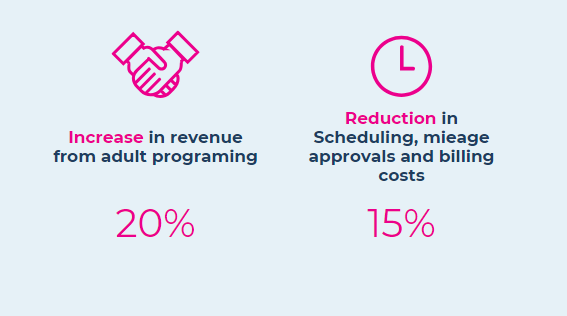
  1. Increased use of automation for scheduling, mileage analysis, client data analysis, and billing for adult programming.
  2. Implementation of a digital adoption plan to ensure staff effectively utilize new processes and systems.
  3. Focus on improving the reliability of client invoicing, particularly for adult programming.
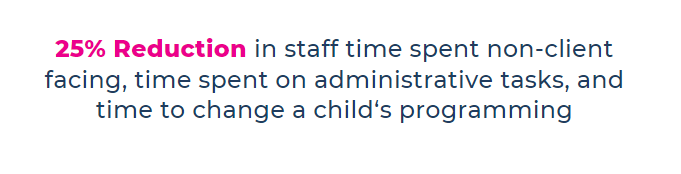
Improving Patient Care through Smarter Staffing

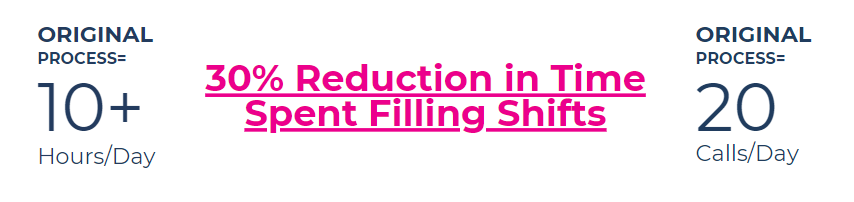
In response to persistent staffing challenges faced by long-term care homes within the healthcare industry, a Lean productivity approach was implemented to enhance staff availability and address the issue of prolonged periods of understaffing. Using expert digital first facilitators following our Rapid Process Transformation™ the root causes were able to be identified and informed solutions implemented, leading to significant improvements in staff scheduling and shift coverage.

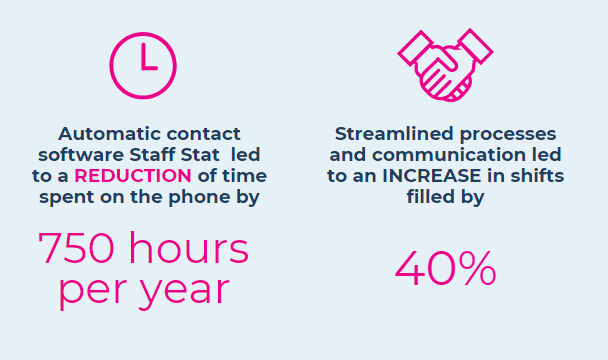
After gathering necessary information and tools, including staff contact information, the implementation phase utilized an automatic contact software to simultaneously reach out to all staff via voice call, text, or email. The scheduler assigned shifts based on staff responses and rotational priority.

These were some of the results:

A Case Study in Community Support Services/Healthcare

This case study delves into a strategic transformation of talent acquisition processes within a prominent organization in the community support services/healthcare industry, with a specific focus on enhancing recruitment and screening protocols.

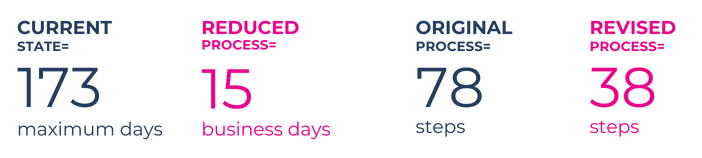
The organization, faced with prolonged hiring cycles and procedural inconsistencies, embarked on a data-driven journey. Through meticulous data collection, the Steering Committee gained valuable insights, enabling them to further understand the key indicators of an improved state, allowing them to begin a strategic conversation around opportunities for streamlining and reducing the overall recruitment process.

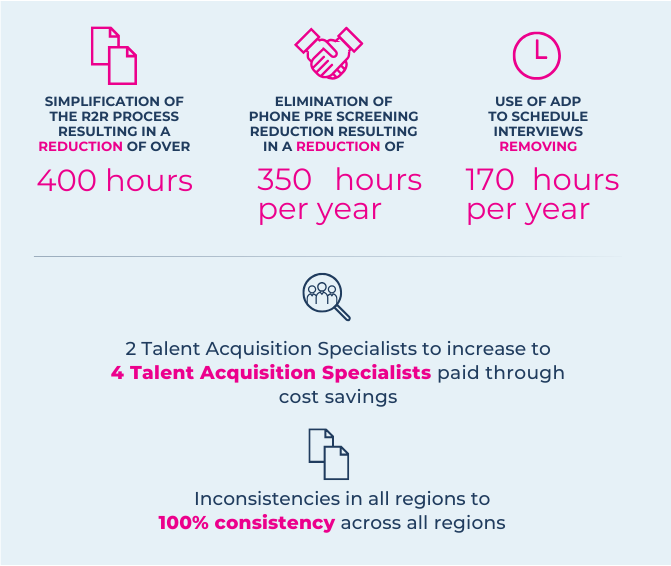
The resulting process improvement work with our expert digital first facilitators following our Rapid Process Transformation™ process yielded significant outcomes, including:

  1. Reduced Time-to-Hire: The organization witnessed a substantial decrease in the time taken to complete the hiring cycle, ensuring quicker onboarding of qualified candidates.
  2. Enhanced Consistency: Streamlining recruitment and screening protocols led to increased consistency in processes, fostering a more standardized and efficient approach across the organization.
  3. Improved Candidate Experience: The refined processes positively impacted the candidate experience, contributing to a more seamless and transparent recruitment journey.

Here are some of the results:

Let’s unlock time, clarity, and ROI – together.

90 Minutes a Week is all it Takes.

DigitalFirst_Tagline_Color.png